Grape Skin Compound Fights the Complications of Diabetes
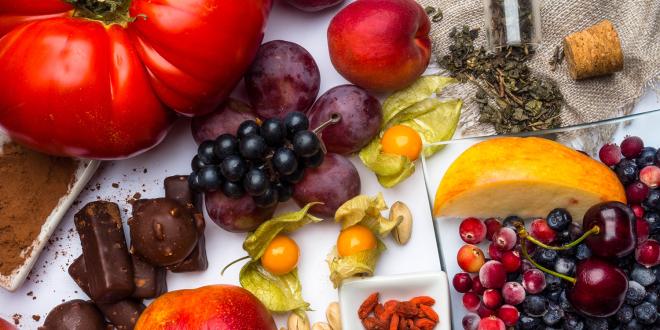
(NaturalNews) Research carried out by scientists at the Peninsula Medical School in the South West of England has found that resveratrol, a compound present naturally in grape skin, can protect against the cellular damage to blood vessels caused by high production of glucose in diabetes, according to a recently published paper in the science journal Diabetes, Obesity and Metabolism.
|
The Importance of Staving Off a Magnesium Deficiency
(NaturalNews) The latest government study shows a staggering 68% of Americans do not consume the recommended daily intake of magnesium. Even more frightening are data from this study showing that 19% of Americans do not consume even half of the government’s recommended daily intake of magnesium.
|
A Little Rosemary Can Go a Long Way in Reducing Acrylamides in Food
Several animal tests have shown acrylamide to be a carcinogen, and a recent study conducted by the National Food Institute, Technical University of Denmark, has shown a positive association between acrylamide and breast cancer in humans.
|
Cod liver oil supplements reduce rheumatoid arthritis drug requirement
Rheumatoid arthritis patients may be able to reduce their dose of nonsteroidal anti-inflammatory drugs (NSAIDs) by adding cod liver oil to their daily regimen, according to an article published online on March 24, 2008 in the journal Rheumatology.
|
Resistant urinary tract infections linked to meat consumption
A new study indicates that women suffering from urinary tract infections (UTIs) caused by drug-resistant E. coli bacteria reported eating more chicken and pork than women whose UTIs were easily treated with antibiotics.
|
Eating One Sausage Per Day Causes Cancer
(NaturalNews) According to new scientific studies, one sausage a day increases our chance of bowel cancer by 20%. It only takes 1.8oz (50g) of processed meat daily to significantly increase our risk of this deadly type of cancer.
|
What should I eat?: Ask a nutrition question
Ginseng is being added to popular drinks now. Wisconsin grows supposedly the "best" ginseng in the world. The Chinese have touted this root for centuries. Has there been any research to substantiate its many claims?
|
The Beat Goes On: New Research Continues to Show Almonds' Valuable Role in Heart Health
Research Presented at the International Experimental Biology Meeting Provides Insights as to Why Almonds May Help Reduce the Risk of Heart Disease Beyond Their Valuable Role in Lowering Cholesterol.
|
Increased dietary choline may help reduce breast cancer risk
An article published online on January 29, 2008 in the Federation of American Societies for Experimental Biology (FASEB) journal reported the finding of research funded by the U.S. National Institutes of Health (NIH) that having a greater intake of the B vitamin choline is associated with a reduction in the risk of breast cancer.
|
Mayo Clinic trial finds flaxseed reduces hot flashes
The summer 2007 issue of the Journal of the Society for Integrative Oncology reported a study conducted at the Mayo Clinic which found that consuming flaxseed can help reduce uncomfortable hot flashes in postmenopausal women who are not using estrogen replacement therapy.
|
Trouble Sleeping? Lack of Sleep Increases Cravings
Poor sleep habits have become so closely associated with obesity that some scientists want obesity therapists to address sleep with the same intensity as diet and exercise, according to the National Sleep Foundation.
|
Meta-analysis confirms calcium supplements reduce fracture risk
In what has been called a landmark study, researchers at the University of Western Sydney reviewed data from 63,897 participants in 29 clinical trials to reaffirm that calcium supplements reduce the risk of fractures in older individuals. Their report was published in the August 25, 2007 issue of The Lancet.
|
Higher vitamin D levels could prevent 600,000 cases of breast and colorectal cancer annually
The results of meta-analyses conducted by Cedric F. Garland, DrPH of the University of San Diego and colleagues found a strong protective effect for higher serum vitamin D levels against breast and colorectal cancer. A new report coauthored by Dr Garland, in the August, 2007 issue of Nutrition Reviews, concludes that higher levels of vitamin D could prevent breast and colorectal cancers in over half a million people.
|
Pomegranate juice improves ED symptoms
A report published online on June 14, 2007 in the International Journal of Impotence Research described the discovery that drinking pomegranate juice helped improved erections in men with erectile dysfunction (ED).
|
Meta-Analysis Touts Bone Benefits of Soy
Menopausal women who increase their soy isoflavone consumption from dietary or supplemental sources for 6 months can boost bone-mineral density in the spine by almost 1 g, according to a meta-analysis of 10 randomized, controlled trials published in the February 2008 issue of the journal Clinical Nutrition.
|
Honey for soothing irritating coughs
Honey has long been used to sooth irritating coughs. Now objective evidence is giving more credibility to this traditional therapy.
|
It's in Baby Bottles, Soda Cans And 93% of US
It Causes Breast Cancer, Testicular Cancer, Diabetes And Hyperactivity in Lab Animals, According to 80% of Studies Analyzed by the Journal Sentinel. But U.S. Regulators Side with the Chemical-makers And Say It's Safe.; Chemical Fallout /; a Journal Sentinel Watchdog Report
|
A New Look at Fasting: Studies Find Health Benefits
"Dietary restriction is about the best dietary advice I can give you," says Levitsky, a professor of nutrition and psychology at Cornell University. "We don't know about living a longer life, but all the markers are in a favorable direction."
|
Reduced choline and betaine levels correlate with higher levels of inflammation
The February, 2008 issue of the American Journal of Clinical Nutrition published the finding of Greek researchers that having reduced levels of the B vitamin choline, as well as betaine (trimethylglycine, a derivative of choline), is linked with a higher blood concentration of markers of inflammation.
|
Bananas: The Top of the Fruit Faction
Research at the Queen's Medical Centre in Hawaii shows that eating bananas regularly could reduce the risk of having a stroke by up to 40%.
|
Herbal Studies Superior to Conventional Drug Trials
A new study in the Journal of Clinical Epidemiology finds that the methodological integrity of herbal trials exceeded that of pharmaceutical drug trials by a factor of four to one.
|
Reduced serum vitamin E predicts physical decline in older individuals
The Journal of the American Medical Association published the finding that having reduced serum levels of vitamin E, an indicator of poor nutrition, is significantly associated with a decline in physical function among men and women aged 65 and older.
|
Would you like metabolic syndrome with that?
If your busy lifestyle frequently finds you in the drive-through lane of a fast food restaurant ordering a burger, fries and a diet coke, you may be the next in line to develop metabolic syndrome according to research.
|
Despite Consumer Opposition FDA Approves Food From Clones
On January 15, the FDA announced its final approval of meat and milk from cloned animals.
|
Lipoic acid supplementation may reduce atherosclerosis and weight gain
The American Heart Association journal, Circulation, published the discovery of researchers that supplementing mice with lipoic acid reduced arterial lesion formation, triglycerides, blood vessel inflammation and weight gain, all of which are factors involved in the development of cardiovascular disease.
|
Strategies for Keeping Lost Weight Off
Researchers are just beginning to recognize that losing weight and weight maintenance are two very different events. Anyone can go "on" a diet, but a diet is temporary whereas weight maintenance is permanent.
|
Study shows homocysteine may hurt vision
High levels of homocysteine could harm the eyes, say researchers at the Medical College of Georgia. They suspect homocysteine - already believed to contribute to heart attack, stroke and dementia - likely helps cause retinal damage and vision loss.
|
New Scientific Evidence Shows Organic Foods Are More Nutritious
Organic food is more nutritious and is richer in antioxidants than its non-organic counterparts, according to new research. Scientists leading this British project have called on the U.K. government to accept the evidence and encourage consumers to eat organic produce.
|
Study Suggests High-Dose Fish Oil May Significantly Improve Behavior in Children with ADHD
The results of a pilot study published in the Nutrition Journal suggest that children with attention deficit hyperactivity disorder (ADHD) can benefit from daily supplementation of high levels of purified fish oils.
|
Blueberry Extracts Boost Brain Function
Scientists noted significant differences in maze performance in Alzheimer's-prone animals after feeding them blueberry extracts from the equivalent of their early adulthood to early middle age.
|
It's Hot Stuff! How Curry Can Spice Up Your Life and Health
Turmeric is not the only curry ingredient with healthboosting compounds. New research shows there are ten key ingredients found in popular curries, which have been linked to health benefits in conditions as diverse as lung cancer, heart disease, asthma, constipation, dementia, period pain, osteoarthritis and loss of libido.
|
Organic food better for health
Organic fruit and vegetables may be better for you than conventionally grown crops, US research suggests.
|
Biodiesel (B100) is now available at Black Mountain Natural Foods.
Biodiesel is a cleaner burning fuel for diesel engines made from oils such as soy, canola, and animal fats. Blue Ridge Biofuels retrieves most of the oil used in its biodiesel from local restaurants.
|
Our Planet's Health
The latest environmental news from PlanetSave
|
News from Organic Consumers Association
http://www.organicconsumers.org/archives/log.cfm
|